Mastering Microscopic Illumination: Brightfield, Darkfield, and LED Te…
페이지 정보
작성자 Alexis 댓글 0건 조회 4회 작성일 26-01-07 18:11본문
The key to effective microscopy lies in comprehending how light behaves when encountering biological specimens.
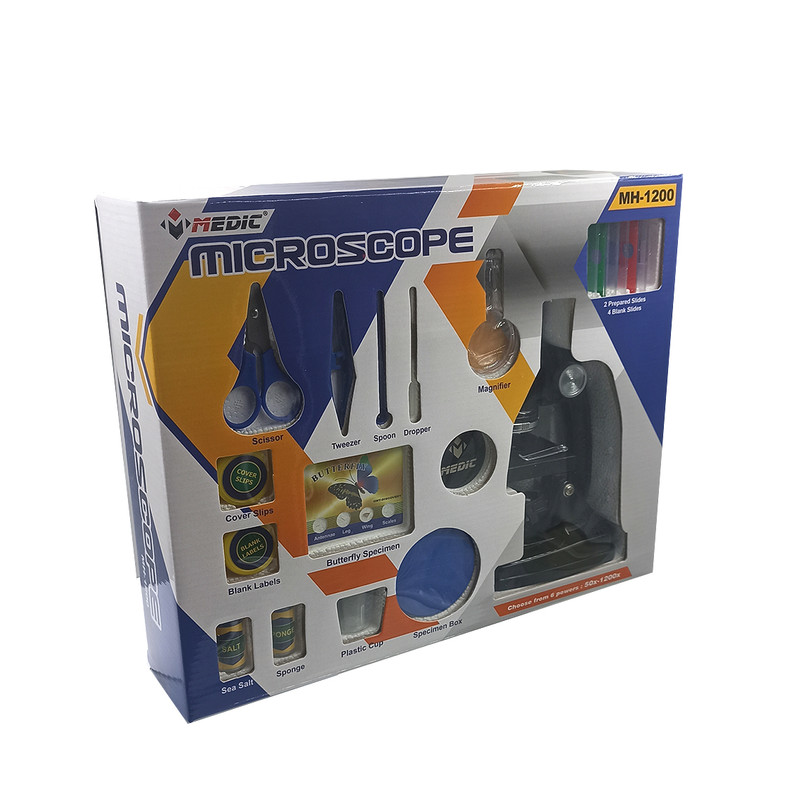
Three common illumination methods—brightfield, darkfield, and LED illumination—each offer unique advantages depending on the sample type and the information being sought.
In brightfield microscopy, illumination travels unobstructed from below, passing directly through the specimen.
Samples appear shadowed against a luminous backdrop due to selective absorption or bending of light, generating contrast from variations in density and thickness.
This method works well for stained samples, such as tissue sections or bacterial smears, where dyes enhance absorption.
However, unstained or transparent specimens often appear faint or nearly invisible under brightfield due to low natural contrast.
To remedy low contrast, darkfield modifies how light approaches the specimen.
Light is obliquely angled to bypass the objective lens entirely, entering only when deflected by the specimen.
Consequently, the field darkens, while scattered light from fine structures, boundaries, or moving microbes produces brilliant highlights.
Darkfield shines when visualizing unpigmented, living organisms such as protozoa, algae, or bacteria—cases where phase contrast or absorption is too weak to be useful.
While darkfield dramatically improves detection of surface details and motility, it compromises optical resolution and performs poorly on dense or deeply stained materials.
LED technology has transformed contemporary microscopy through its consistent, power-efficient, and adjustable luminosity.
In contrast to older halogen or mercury bulbs, LEDs produce negligible heat, minimizing thermal stress on delicate specimens during extended use.
Additionally, they enable fine-tuned adjustment of brightness and wavelength, making it possible to tailor illumination for specific stains or fluorescence tags.
Most contemporary systems integrate LED sources with either brightfield or darkfield optics, allowing instant, motorized transitions between modes.
Additionally, some LED systems can be programmed to mimic specific wavelengths, enhancing compatibility with fluorescence applications without requiring separate light sources.
With extended lifespan and consistent performance, LEDs are perfectly suited for daily lab work, classroom instruction, and long-duration imaging.
The selection of illumination technique must align with the specimen’s characteristics and the intended analytical purpose.
Brightfield is still the go-to for standard histology and stained tissues, darkfield uncovers delicate transparent features, and LED delivers the adaptability and stability essential for خرید میکروسکوپ دانش آموزی complex, multi-mode imaging.
Understanding these light paths allows researchers and technicians to select the optimal setup, ensuring clarity, accuracy, and efficiency in microscopic analysis.
댓글목록
등록된 댓글이 없습니다.



